A satellite television system should provide clear reception and dependable performance from the moment it is installed. However, achieving that result requires more than simply mounting a dish and connecting a decoder. A professional Dstv installation considers the position of the dish, the stability of the mounting point, cable routing, equipment connections, and signal quality. Each part of the setup needs to work together for the system to perform correctly

Planning the Installation
Every property presents different requirements. A single-storey home may have several suitable mounting positions, while a townhouse, apartment, or office may require a more careful installation plan.
Before starting, the technician can inspect the property and consider:
- Suitable dish mounting locations
- Potential obstructions
- Cable entry points
- Television locations
- Existing satellite equipment
- Additional viewing requirements
This initial assessment helps create a practical installation plan instead of relying on guesswork.
Selecting a Suitable Dish Location
The satellite dish needs an appropriate line of sight to receive the required signal. Trees, walls, buildings, and other obstacles can interfere with reception.
Therefore, the technician should assess the surrounding area before fixing the dish.
The mounting position should also provide enough stability to keep the dish correctly aligned. A secure location can reduce the risk of movement and future signal problems.
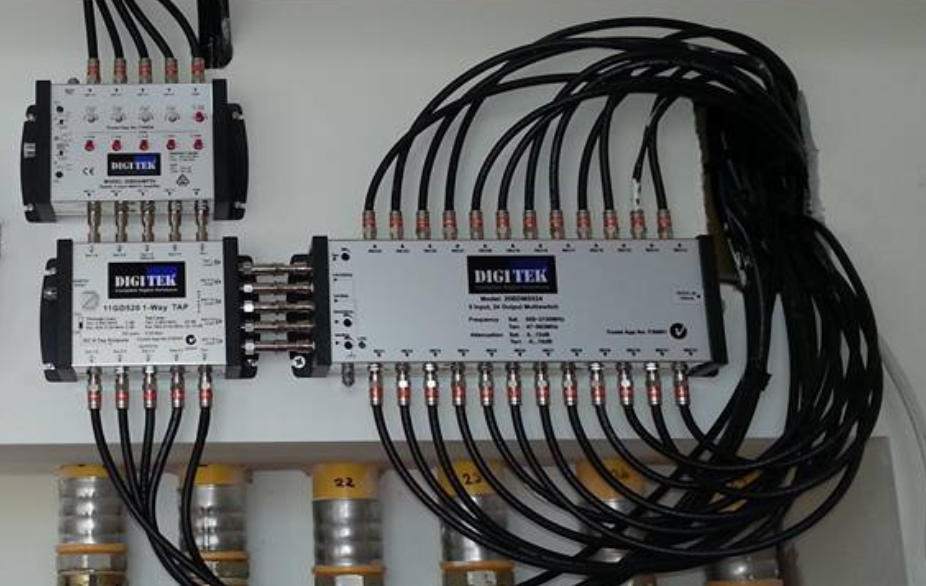
Installing the Satellite Dish
Once the position has been selected, the dish can be mounted securely. The installer checks the mounting surface and uses suitable fittings for the installation environment. The dish must remain stable under normal outdoor conditions.
A secure mounting system also makes future servicing easier because the equipment remains accessible for inspection and adjustment.
Aligning the Satellite Signal
Correct alignment remains one of the most important parts of a Dstv installation. A dish can appear correctly positioned while still producing poor reception if its alignment is slightly off. Professional installation allows the technician to make precise adjustments and test the resulting signal. After alignment, the technician can check reception quality and make further adjustments when necessary.

Connecting the Decoder
The satellite cable carries the received signal from the outdoor equipment to the decoder. The technician connects the cable correctly and then establishes the connection between the decoder and television. Power and signal connections also need to remain secure. Once everything is connected, the system can be switched on and tested.